
By Terance Espinoza, Ph.D.
- The New Testament was originally written in Koine Greek. It was not written in Hebrew or Aramaic, there is no textual evidence of an Ur-gospel, and there is no “original Aramaic” New Testament manuscript from which our Greek New Testament was translated. The Peshitta is an Aramaic (Syriac) translation whose New Testament portion post-dates the Greek New Testament by hundreds of years. It is a translation from the Greek New Testament and not the other way around.
- The Old Testament was originally written in Hebrew except for the following passages which were originally written in Aramaic: Genesis 31:47 (2 words), Jeremiah 10:11; Daniel 2:4-7:28, & Ezra 4:8-6:18, 7:12-26.
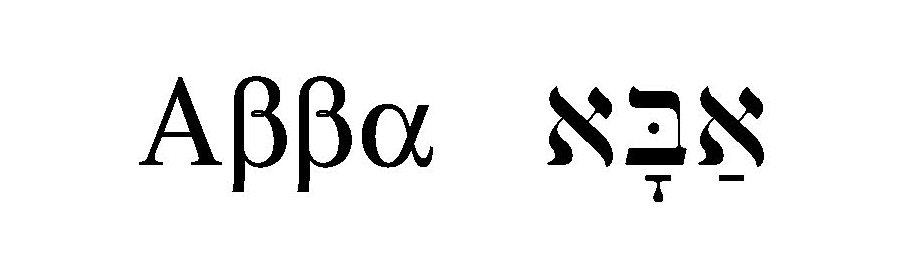
- The Greek New Testament does preserve some Hebrew and Aramaic words, but they were written in Greek letters that preserve the approximate sounds of the original Hebrew or Aramaic words, (i.e., they’re transliterated). There is uncertainty on whether some of these transliterated words reflect an Aramaic or a Hebrew origin. This is common for languages in the same family.
- The use of Hebrew & Aramaic words in the original Greek of the New Testament reflects normal practice in multicultural, multilingual contexts. For example, Paul is recorded as seamlessly switching from Greek to Aramaic in Acts 21:37-22:2, depending on the audience he is addressing. This entire passage is written in Greek in the Book of Acts, but Paul’s linguistic dexterity reflects the normal code-switching practices of bilingual people.
- Among the transliterated Hebrew and Aramaic words in the Greek New Testament, some are loan-words (Luke 22:41) while others reflect moments of code-switching between languages (e.g., 1 Cor 1:12).
Aramaic words in the Greek New Testament
| “empty headed” (raka) | ῥακά | Matt 5:22 |
| “zealot” (kananaios, from Aram. kan’an) | Καναναῖος | Matt 10:4; Mark 3:18. |
| “Save now” (hosanna) | ὡσαννὰ | Matt 21:9 (2x), 15; Mark 11:9; John 12:13 |
| “My God, my God, why have you forsaken me?” (Eloi, eloi, lema sabaxthani) | ελωι ελωι λεμα σαβαχθανι | Mark 15:34 |
| “…why have you forsaken me?” (lema sabaxthani) | λεμα σαβαχθανι | Matt 27:46 |
| “Little girl, rise.” (talitha koum) | ταλιθα κουμ | Mark 5:41. The parallel in Matt 9:24 and Luke 8:54 omit this phrase. |
| “Be opened” (effatha) | εφφαθα | Mark 7:32 |
| “Rabbi” (rabbouni) | ῥαββουνί | Mark 10:51; John 20:16 |
| “Father/Dad” (abba) | αββα | Mark 14:36; Rom 8:15; Gal 4:6 |
*Arranged according to their first occurrence in the canonical order of the NT. Compiled by searching “[ANY Aram]” in Accordance 13. Additional words were added based on the results from the transliterated Hebrew word search in the GNT, described below.
Hebrew words in the Greek new testament
| “Accuser/Satan” (satanas, from Heb. satan) | σατανᾶς | Matt 4:10; 12:26 (2x); 16:23; Mark 1:13; 3:23 (2x); 26; 4:15; 8:33; Luke 10:18; 11:18; 13:16; 22:3, 31; John 13:27; Acts 5:3; 26:18; Rom 16:20; 1 Cor 5:5, 2 Cor 2:11; 11:14; 12:7; 1 Thess 2:18; 2 Thess 2:9; 1 Tim 1:20; 5:15; Rev 2:9, 13 (2x), 24; 3:9 ; 12:9; 20:2, 7 | |
| “Truly, Amen” (amen) | ἀμὴν | Matt 5:18, 26; 6:2, 5, 16; 8:10; 10:15, 23, 42; 11:11; 13:17; 16:28; 17:20; 18:3, 13, 18, 19, 23, 28; 21:21, 31; 23:36; 24:2, 34, 47; 25:12, 40, 45; 26:13, 21, 34; Mark 3:28; 8:12; 9:1; 9:41; 10:15, 29; 11:23; 12:43; 13:30; 15:9, 18, 25, 30; [16:8b]; Luke 4:24, 37; 18:17, 29; 21:32, 43; John 1:51; 3:2 (2x), 5 (2x), 11 (2x); 5:19 (2x), 24 (2x); 6:26 (2x), 32 (2x), 47 (2x), 53 (2x); 8:34 (2x), 51 (2x), 58 (2x); 10:1 (2x), 7 (2x); 12:24 (2x); 13:16 (2x); 20 (2x), 21 (2x), 21 (2x), 38 (2x); 14:12 (2x); 16:20 (2x), 23 (2x); 21:18 (2x); Rom 1:25; 9:5; 11:36; 15:22; 16:27; 1 Cor 14:16; 2 Cor 1:20; Gal 1:5; 6:18; Eph 3:21; Phil 4:20; 1 Thess 3:13; 1 Tim 1:17; 6:16; 2 Tim 4:18; Heb 13:21; 1 Peter 4:11; 5:11; [2 Pet 3:18]; Jude 25; Rev 1:6, 7; 3:14; 5:14; 7:12; Rev 19:4; Rev 22:20 | |
| “Gehenna” (ge’enna) | γέεννα | Matt 5:22, 29, 30; 10:28; 18:9; 23:15, 33; Mark 9:43, 45, 47; Luke 12:5; Jas 3:6 | |
| “moth” (sais) | σής | Matt 6:19, 20; Luke 12:33 | |
| “wealth” (mamonas, from Heb. mammon) | μαμωνᾶς | Matt 6:24; Luke 16:9, 11, 13 | |
| “sack cloth” (Heb. sak) | σάκκος | Matt 11:21; Luke 10:13; Rev 6:12; 11:3 | |
| “Sabbath” (sabbatou) | σαββάτου | Matt 12:1, 2, 5 (2x), 8, 10, 11, 12; 24:20; 28:1 (2x); Mark 1:21; 2:23, 24, 27 (2x), 28; 3:2, 4; 6:2; 16:1, 2, [9]; Luke 4:16, 31; 6:1, 2, 5, 6, 7, 9; 13:10, 14 (2x), 15, 16; 14:1, 3, 5; 18:12; 23:54, 56; 24:1; John 5:9, 10, 16, 18; 7:22, 23 (2x); 9:14, 16; 19:21 (2x); 20:1, 19; Acts 1:12; 13:14, 27, 42, 44; 15:21; 16:13; 17:2; 18:4; 20:7; 1 Cor 16:2; Col 2:16 | |
| A measure of quantity (saton, from Heb. sata) | σάτον | Matt 13:33; Luke 13:21 | |
| “Rabbi” (rabbi) | ῥαββί | Matt 23:7, 8; 26:25; Mark 9:5; 11:21; 14:45; John 1:38, 49; 3:2; 26; 4:31; 6:25; 9:2; 11:8 | |
| “Passover” (pasxa, from Heb. pesach) | πάσχα | Matt 26:2, 17, 18, 19; Mark 14:1, 12 (2x), 14, 16; Luke 2:41; 22:1, 7, 8, 11, 13, 15; John 2:13, 23; 6:4; 11:55; 12:1; 13:1; 18:28, 39; 19:14; Acts 12:4; 1 Cor 5:7; Heb 11:28 | |
| “My God, my God…” (aili, aili) | ηλι ηλι | Matt 27:46. The rest of this line is Aramaic. | |
| Proper name “Boanerges” (boanerges, from Heb. “sons of thunder/earthquake/noise) | βοανηργές | Mark 3:17 | |
| (Iskarioth, from Heb. “man from Kyriot”[?]) | Ἰσκαριώθ | Mark 3:19; 14:10; Luke 6:16. The more Greek version Iskariot is in Matt 10:4; 26:14; Luke 22:3; John 6:71; 12:4; 13:2, 26; 14:22. | |
| “Offering” (korban) | κορβᾶν | Mark 7:11 | |
| “Beer” (sikera, from Heb. shik’ra) | σίκερα | Luke 1:15 | |
| A liquid measure (batos) | βάτος | Luke 16:6 | |
| A measure of quantity (koros) | κόρος | Luke 16:7 | |
| “Fine linen” (bussos) | βύσσος | Luke 16:19 | |
| Mulberry tree (sukaminos) | συκάμινος | Luke 17:6 | |
| A unit of coinage (mnas, from Heb. Mina) | μνᾶς | Luke 19:13, 16 (2x), 18 (2x), 20, 24 (2x), 25 | |
| “Rock” (Kaifas, from Heb. Kepha) | Κηφᾶς | John 1:42; 1 Cor 1:12; 3:22; 9:5; 15:5; Gal 1:18; 2:9, 11, 14 | |
| “Manna” (manna) | μάννα | John 6:31, 49; Heb 9:4; Rev 2:17 | |
| “Hyssop” (ussopos, from Heb. ayzov”) | ὕσσωπος | John 19:29 | |
| “of hosts” (sabaoth) | σαβαὼθ | Rom 9:29; Jas 5:4 | |
| “Our Lord come!” (marana tha) | μαράνα θά | 1 Cor 16:22. The same phrase in Revelation 22:21 has been translated into Greek. | |
| Pledge/Down Payment (arrabon, from Heb. erabon) | ἀρραβών | 2 Cor 1:22; 5:5; Eph 1:14 | |
| “basket” (sarganei) from Heb sarag) | σαργάνη | 2 Cor 11:33 | |
| “Hallelujah” (hallelouia) | ἁλληλουϊά | Rev 19:1, 3, 4, 6 |
*Arranged according to their first occurrence in the canonical order of the NT. Compiled by searching “[ANY Heb]” in the GNT in Accordance 13, and then comparing those results to the lists of Jeff A. Benner, “Hebrew Words in the Greek New Testament,” Ancient Hebrew Research Center. https://www.ancient-hebrew.org/semitic-origins/hebrew-words-in-the-greek-new-testament.htm; David N. Bivin and Joshua N. Tilton, “LOY Excursus: Greek Transliterations of Hebrew, Aramaic, and Hebrew/Aramaic Words in the Synoptic Gospels,” Jerusalem Perspective (2014). https://www.jerusalemperspective.com/12404/; and Walter Bauer, “An Introduction to the Lexicon of the Greek New Testament,” BDAG, xxii. Finally, each occurrence of each word word from the resultant list was independently verified by this author to be in the GNT.
 BibTheo
You forgot Maranatha in 1 Cor 16.
LikeLiked by 1 person